Who is IQM?
IQM is the only national inclusion award in the UK. For over 20 years and in over 20 countries, schools, MATs and Local Authorities use the Inclusion Quality Mark to recognise exemplary inclusive practice.
Get in touch for your FREE school information pack today.
Rutherford School achieves IQM Centre of Excellence status
September 8, 2026
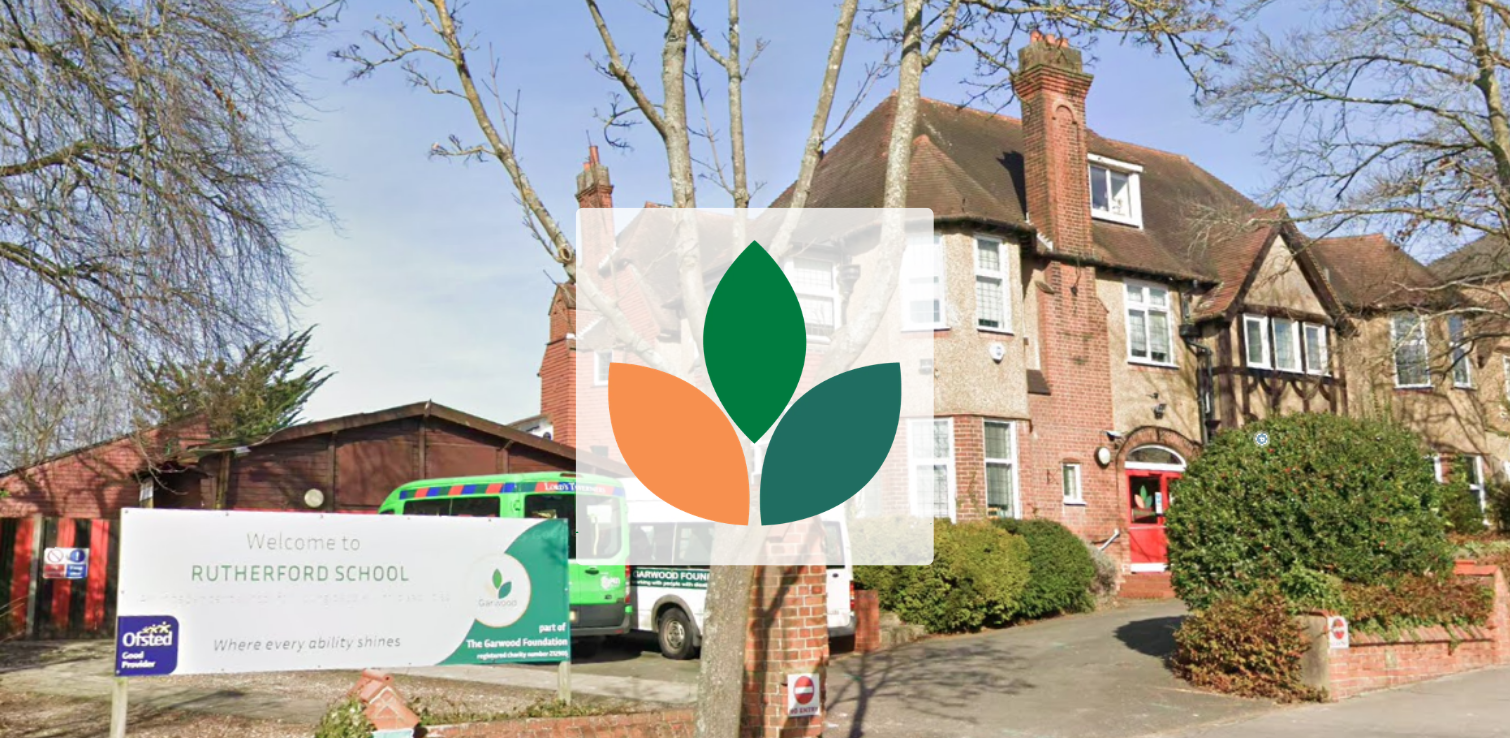
Rutherford School is a provision where inclusion is not viewed as an initiative or strategic priority, but as the foundation upon which every aspect of school life is built. Throughout the visit, it became evident that every decision begins with the individual young person.
Inclusion at the heart of school life
Rutherford School presents a compelling vision of inclusion in which every aspect of provision is shaped by the needs, rights and aspirations of young people with PMLD and highly complex medical, physical and communication needs. Rather than viewing inclusion as a discrete initiative, the school has established it as the guiding principle underpinning leadership, curriculum design, therapeutic practice and daily interactions throughout the setting.
Leaders have created an environment in which dignity, communication, participation and meaningful relationships are regarded as fundamental entitlements for every learner. Staff across education, therapy, nursing and support teams demonstrated a shared understanding that every young person is capable of learning, communicating and participating when barriers are thoughtfully identified and removed.
A genuinely integrated multidisciplinary approach
One of Rutherford School’s defining strengths is its genuinely integrated multidisciplinary approach. Education, nursing, physiotherapy, OT, SaLT and assistive technology operate as one cohesive team rather than as separate professional services.
Weekly multidisciplinary meetings, collaborative learning walks, shared training and joint decision-making ensure that communication, wellbeing, physical development and learning are considered together. This collaborative model enables concerns to be identified quickly, addressed collectively and followed through consistently, ensuring that learners and their families experience a seamless service centred upon individual need.
Teaching and learning reflect a sophisticated understanding of how young people with PMLD access education. Teachers and support staff demonstrate an impressive knowledge of individual learners, drawing upon communication profiles, sensory preferences, EHCP outcomes, therapeutic advice and detailed understanding of personal motivators when planning learning experiences.
Communication, participation and learner voice
Communication is appropriately recognised as a fundamental right rather than simply a curriculum area. The school’s commitment to developing consistent communication approaches, including the use of eye gaze, AAC, objects of reference, symbols, switches, gesture and intensive interaction, reflects an ambitious determination to ensure that every learner has opportunities to express preferences, make choices and influence their environment.
Classroom observations brought this philosophy to life. Learners participated enthusiastically in highly personalised learning experiences where communication was woven naturally into every interaction through the skilled use of augmentative and alternative communication (AAC), eye gaze technology, Makaton, Tactile Signing for Sensory Learners (TaSSeLs), objects of reference, symbols and carefully planned sensory approaches.
During one movement session, learners actively encouraged adult participation, creating an atmosphere characterised by joy, trust and shared celebration. As the session concluded, visual and verbal supports enabled a calm transition into “Mindful Minutes”, during which learners were supported to regulate, reflect and communicate in ways that were meaningful to them.
A highly personalised curriculum
At the heart of the curriculum are the five interconnected pillars that provide a coherent framework through which communication, physical development, emotional wellbeing, personal relationships and preparation for adulthood are developed alongside cognitive learning.
Learning pathways are shaped by EHCP outcomes, specialist assessment information, therapeutic advice, learners’ communication profiles, sensory preferences and personal motivators. Staff possess a detailed understanding of individual learners and use this knowledge effectively to adapt learning experiences so that every pupil is able to participate as fully as possible.
Preparation for adulthood is threaded throughout the curriculum rather than confined to a discrete programme of study. Opportunities to develop communication, independence, community participation, wellbeing and self-advocacy are embedded across learning experiences and reinforced through accredited programmes, including Award Scheme Development and Accreditation Network (ASDAN) Life Skills Challenges.
Learning beyond the classroom further enriches this work, with community visits, enrichment activities, creative partnerships and real-life experiences providing authentic opportunities for learners to apply developing skills within meaningful contexts.
Celebrating progress and building a wider community
Assessment at Rutherford School reflects a sophisticated understanding of how young people with PMLD demonstrate learning and progress. Leaders have deliberately developed systems which move beyond traditional attainment measures and instead capture the subtle yet highly significant changes in communication, engagement, participation, independence and wellbeing that characterise successful learning for this cohort.
As one member of staff explained, “Small steps are big steps for our children,” a philosophy that permeates every aspect of the school’s work.
Rutherford School has also developed an increasingly outward-facing approach to inclusion, recognising that meaningful participation within the local, wider and global community is an essential aspect of education for young people with PMLD. Community engagement is woven thoughtfully throughout the curriculum rather than viewed as an additional enrichment activity.
Visits to local facilities, enterprise activities, volunteering opportunities and developing work experience placements enable learners to experience meaningful roles within their communities whilst developing communication, confidence and increasing independence. The school’s partnership with a local food bank provides authentic opportunities for learners to contribute positively to their local community whilst developing valuable life skills.
Find Out More About IQM
If your school is interested in achieving the IQM Inclusive School Award, contact the IQM team on 028 7127 7857 or email admin@iqmaward.com.
To find out more about IQM and request a free information pack, visit www.iqmaward.com.
Other Posts




About IQM
The only national award for inclusion in the UK, IQM has been committed to recognising exemplary inclusive schools for over 20 years and in over 20 countries around the world. The three awards allow schools and organisations to celebrate their inclusive practice against nationally recognised framework.
Site Links
© 2026 Inclusion Quality Mark | website developed & cared for by digidoda