Who is IQM?
IQM is the only national inclusion award in the UK. For over 20 years and in over 20 countries, schools, MATs and Local Authorities use the Inclusion Quality Mark to recognise exemplary inclusive practice.
Get in touch for your FREE school information pack today.
GEMS Cambridge International Private School Sharjah receives International Centre of Excellence Award
November 24, 2025
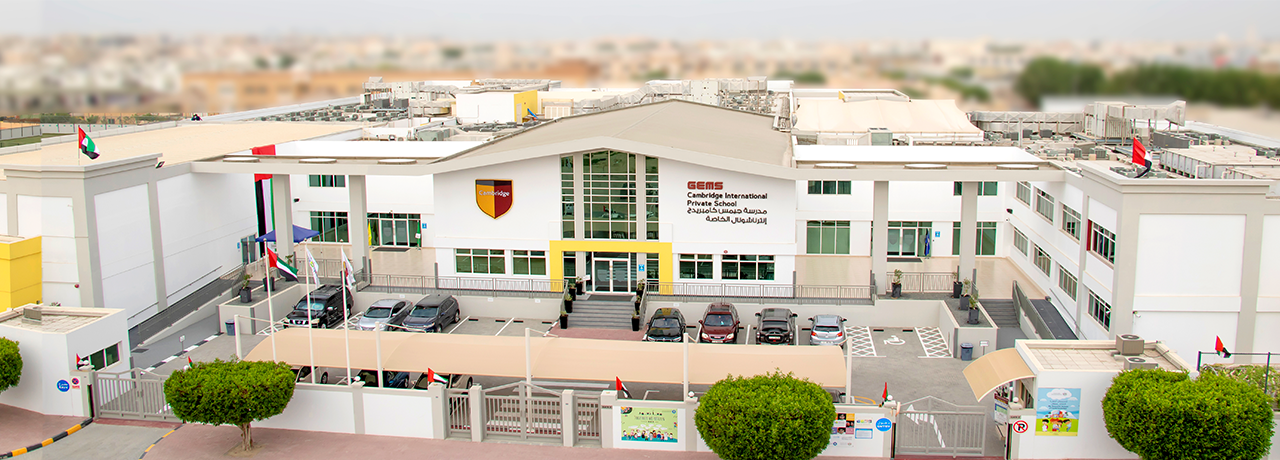
Home to around 1,600 students, GEMS Cambridge International Private School Sharjah is a vibrant and welcoming community that encourages and supports every learner. GCS offers the National Curriculum for England (NCfE) from Pre-KG to Grade 12, located in an area that provides convenient access for families across Dubai, Sharjah, and Ajman, contributing to a diverse student demographic. Inclusion is rooted firmly at the centre of school life at GCS not as a bolt-on or initiative, but as a structural, cultural, and moral imperative. It does so through the consistent alignment of values, systems, behaviours, and relationships. Whether in classrooms, leadership conversations, student interviews, data analysis sessions, or parent meetings, the school’s commitment to equity, access, and personalised support is evident.
Proud members of the school community
The Executive Principal describes her vision for the school as, “Every child should be happy.” This is a school founded on honesty and openness, with children always at the centre. Staff and students alike are encouraged to work together to build a learning community that supports and uplifts every learner. This is a school that thrives in its authenticity. Every day, students are greeted by name, with a warmth and eagerness to help them on their learning journey. Across the school, students are proud to say they are members of this community, and are enthusiastic participants in the school’s inclusive vision. They are champions of difference, diversity, and friendship – every learner is made to feel welcome by their peers. This culture of care extends across the school’s staff. From class teachers to LSAs, from middle leaders to admin teams, there is a visible alignment to the school’s values and a deep sense of collective responsibility. Staff consistently speak about “our students,” “our progress,” and “our school.” Belonging is a collective sentiment, and inclusion is a collective commitment.
Effective collaboration
The school is able to achieve its commitment to inclusion through effective collaboration, with leadership spearheading these efforts. The Senior Leadership Team model visibility, accessibility, and humility. This is a visible commitment of time and relational capital by senior leaders, showing students (and staff) that their development matters not only as learners but as individuals. Their knowledge of the community is detailed, and their decision-making is relational. The governance and oversight structures in place further strengthen the school’s coherence. They ask challenging questions but do so in a spirit of partnership. Their oversight is strategic, not operational, and they understand their role as both critical friends and advocates for the community.
Humility and competence
The Deputy Heads of Primary and Secondary, in their roles leading teaching and learning, model intellectual honesty, professional rigour, and alignment to values. The Head of Children’s Services, whose knowledge of the staff, the students, and the internal workings of the school is exceptional, operates with a level of humility and competence that makes him both highly effective and widely trusted. His contributions to the assessment process were characterised by accuracy, insight, and a deep sense of care. The Head of KS4 demonstrates professionalism, preparedness, and generosity. Her organisation ensures that processes are seamless. Her insight into systems and strategy, combined with her instinct for people, made her an invaluable part of both the team and the story of this school. Professional voice is not only welcomed but systematically sought. Structures are in place for staff to contribute to strategic planning, curriculum review, and inclusion development. Teachers and LSAs are not treated as passive deliverers of policy but as active co-constructors of practice. The result is a staff body that is informed, committed, and connected to the school’s mission.
Effective embedded practice
The Inclusion Team at GCS is an exemplar of effective, embedded practice, spanning systems, spaces and relationships. They support students across a spectrum of need using the UAE’s tiered model of provision (Levels 1–3) and have developed coherent, documented pathways that reflect both diagnostic input and teacher expertise. Modelling language, encouraging persistence, and celebrating small victories are some of the many ways that the inclusion team provide tailored and motivational support for every learner. Curriculum leaders work alongside the inclusion team to ensure that schemes of work are accessible and that assessment tools measure progress for all learners, not just those working at age-related expectations. Students who need support in literacy access structured phonics (RWI), reading interventions (Lexia, NGRT), or vocabulary-rich content across the curriculum. Mathematics support includes visual and practical strategies to build conceptual understanding. Support is targeted, responsive, and reviewed regularly.
Shared expectations and priorities
Curriculum access is central to GCS’s inclusive mission. The school delivers the English National Curriculum with adaptations that reflect student profile, phase needs, and local context. Teachers plan with inclusion in mind. Assessment is robust. The school uses a combination of classroom-based evidence, standardised assessments, and progress tracking tools. These are triangulated to inform teaching and leaders’ decision-making. The physical spaces around the school encourage celebration of perseverance, collaboration, independence, kindness, and respect. These include prompts for learning conversations and personal reflection. The language around the school reflects that of teachers and leaders, demonstrating the school’s success in developing a common culture and shared expectations and priorities. The pastoral systems that support student wellbeing are strong, joined up, and reflective. The use of models such as the PERMAH framework demonstrates the school’s strategic commitment to wellbeing. The safeguarding structures are robust, and referrals are acted upon promptly and with compassion. Posters detailing the names and photos of DSLs were visible and seen.
Children are supported and seen
Families are also key stakeholders in the school’s inclusive ethos. Communication is regular, meaningful, and respectful, with transparent reporting and responsive teachers leading to reassurance and trust between parents and academic staff. Several parents spoke to our assessor about how GCS had changed the trajectory of their child’s life, providing both support and challenge in equal measure. For parents of Students of Determination, there is an additional layer of appreciation. They describe how their children are seen, supported, and empowered in ways that exceeded their expectations. Students are encouraged to speak openly about their education and how steps can be taken to meet their needs. Surveys, focus groups, and daily classroom practices are used to gather feedback, which is then analysed and acted upon. Students feel heard and their opinions lead to changes.
There is no length this school community will not go to to ensure everyone can feel a sense of belonging and happiness. Through a whole-school commitment to inclusion, every stakeholder at GEMS Cambridge International Private School Sharjah can find a place where they belong and can thrive.
Other Posts


About IQM
The only national award for inclusion in the UK, IQM has been committed to recognising exemplary inclusive schools for over 20 years and in over 20 countries around the world. The three awards allow schools and organisations to celebrate their inclusive practice against nationally recognised framework.
Site Links
© 2026 Inclusion Quality Mark | website developed & cared for by digidoda