Who is IQM?
IQM is the only national inclusion award in the UK. For over 20 years and in over 20 countries, schools, MATs and Local Authorities use the Inclusion Quality Mark to recognise exemplary inclusive practice.
Get in touch for your FREE school information pack today.
Folkestone Academy Achieves IQM Flagship School Status
September 10, 2026
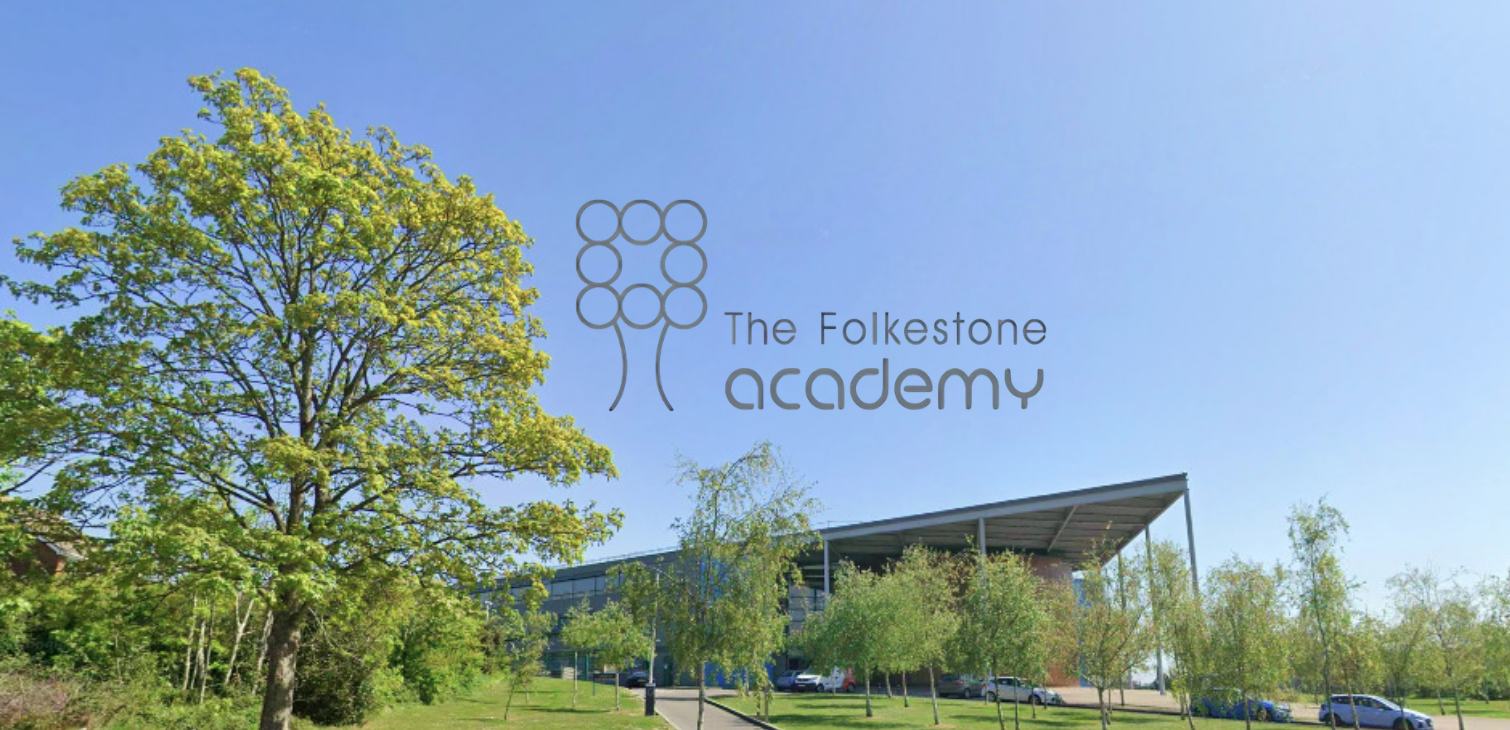
Folkestone Academy has achieved IQM Flagship School status, recognising their continued commitment to inclusion, student wellbeing and positive outcomes for its pupils. The Academy has developed a strong and cohesive approach to supporting the needs of its whole community.
Leadership of Inclusion
Folkestone Academy’s leadership of inclusion is integrated into all aspects of school life with relationships being the key. There has been no loss in traction on the path to improving inclusive practice, with initiatives noted previously all positively developed. New staff are fully committed and have added new dimensions, experience and energy.
There has been a tangible move to more cohesive working between areas of focus and staff groups, with added value to interventions and results shared confirming this. Cross issue meetings facilitate earlier intervention and a more holistic approach to individual needs. The school has further enhanced its personalised approach, evidenced consistently with case studies.
The school’s Lead Practitioner for adaptive teaching has high expectations and reports progress to the Vice Principal. This ensures staff make targets come alive, with students able to articulate targets and recognise achievements. This is particularly evident with reading, where practice adapts as students improve, with consistency and continuity with the SEND department and the Hive.
Pastoral Support and Wellbeing
There is extensive evidence in support of the growth of pastoral interventions over the last academic year. A greater range of interventions is delivered by a broader staff group, with a robust targeted approach to emotional behaviour regulation significantly improving student engagement.
The school recognises and provides strategies to navigate modern societal challenges, with mental health supported in a focused way. A reflective and therapeutic approach is paying dividends for individuals. Day-to-day behaviour management has moved from reactive to proactive, with staff identifying the physical and behavioural manifestation of toxic stress, trauma and adverse childhood experiences.
Staff report feeling more confident to decode emotional stress to create psychologically safe environments, and day-to-day behaviour regulation has improved noticeably. Life lesson interventions are key, with year teams buying in and daily check-ins providing support. Mentoring, resilience support and trusted individuals as fast responders at crisis provide a safety net and a culture where reflective interventions are mainstreamed and embedded.
Total isolation sanctions reduced by 49% compared with 2024/25, while high-frequency repeat entries of five or more sanctions decreased by 57.4%. Fixed term suspensions reduced by 70.8%, with learning days lost due to fixed term exclusions decreasing by 83%.
Reading and Closing Gaps
Reading is a high priority and one of the four main school development plan areas. Universal strategies, including modelling new terminology and segmentation of words for say/spell benefit all. NGRT testing provides a baseline for targeted support groups, with tutor time and English lessons used for Reading Plus.
Overall, pupils with SEND made progress of nearly one stanine, with data at assessment showing that the anticipated two stanines by the end of the year was on track. The data demonstrated the gap closing for young people with SEND.
Test it Tuesdays and Embed it Fridays identify issues in a timely way, with reading scrutinised more forensically to establish fluency and comprehension issues. Staffing interventions have been prioritised with good effect, and reading interventions are mapped next to pupil outcomes and included in school provision maps.
Attendance and Belonging
There has been a clear shift over the last year towards shared accountability for specific cohorts, with attendance an improvement priority for all roles. Every pastoral leader is responsible for 15 students, with weekly meetings and additional contact supporting a much more cohesive, holistic look at individual needs.
Daily safeguarding and attendance meetings provide opportunities for others to input where appropriate. The Pupil Passport has had a great impact, while a forensic look at the reasons behind poor attendance has contributed to a further year-on-year increase, with the school closest ever to national benchmarks.
SEND attendance has increased by 5%, above national levels. EAL attendance has increased from 89.3% to 95% over two years, a testament to the inclusion and sense of belonging fostered across the school. A targeted focus and relationships have worked impressively, with work with SEND and EAL flagged with other schools to share good practice.
More robust transition arrangements with primary schools build relationships earlier and support early interventions. The new primary-secondary transfer approach has built earlier relationships, enhanced pupil wellbeing and impacted behaviour and attendance.
Alternative Provision
Folkestone Academy has developed its approach to alternative provision and targeted interventions over the last three years. The Local Authority-run PRU provision is utilised for Key Stage 3, with seven pupils currently accessing the provision and four pupils having previously returned.
The school is proactively developing an offer based on sound research and experience, with a focus internally on what works through action research. The current Year 9 provision would not meet the specific need of Year 7 and 8 pupils, while there is no opportunity to use provision previously run in another trust school as demand has decreased.
The proposal is for short-term Year 7 and 8 provision in a bespoke emotionally safe area, for a maximum of two terms. Identified students, two from each of three schools, will have a bespoke catch-up curriculum to master key skills alongside intensive SEMH interventions to facilitate successful reintegration. Two schemes of work will be overseen by the Trust Director of SEND and have been created to avoid repetition for the two-term placement.
The school has also continued to invest in training and staff development, with two members of staff Thrive trained, one focused on school avoidance and anxiety, and Trauma Informed Practice continuing to take place and being applied widely.
Find Out More About IQM
If your school is interested in achieving the IQM Inclusive School Award, contact the IQM team on 028 7127 7857 or email admin@iqmaward.com.
To find out more about IQM and request a free information pack, visit www.iqmaward.com.
Other Posts




About IQM
The only national award for inclusion in the UK, IQM has been committed to recognising exemplary inclusive schools for over 20 years and in over 20 countries around the world. The three awards allow schools and organisations to celebrate their inclusive practice against nationally recognised framework.
Site Links
© 2026 Inclusion Quality Mark | website developed & cared for by digidoda