Who is IQM?
IQM is the only national inclusion award in the UK. For over 20 years and in over 20 countries, schools, MATs and Local Authorities use the Inclusion Quality Mark to recognise exemplary inclusive practice.
Get in touch for your FREE school information pack today.
Autism and Christmas: A complete guide for teachers and school leaders
November 26, 2025
Much of traditional Christmas imagery revolves around the theme of excess. More colour, more sparkle, more sound than usual.
For autistic pupils with sensory differences, it can either be a sensory feast or feel as if every dial has been turned up to maximum.
Our expert inclusion team at IQM has designed this guide to explore common pressure points for neurodivergent pupils around Christmas time. Giving you practical ways to celebrate the festivities, without compromising feelings of safety and predictability.
Get your notebooks ready, this article is packed full of the best strategies to help you successfully coordinate Christmas time in school.
Jump ahead to:
Autism and Christmas: where do schools fit in?
ASD anchors and predictability
Autism and Christmas: where do schools fit in?
By the time December rolls around, the outside world has already turned the dial right up. You’ll find music in every shop, fairy lights in every window, new smells, and new routines all seem to appear overnight.
For many, school is a safe space, and when it’s hijacked by festive cheer, it can be difficult to manage. As a school leader or teacher, you’ll be tasked with balancing festive celebrations for children who love the additional sensory input and those who find them overwhelming.
Your task is not a simple one. This December, you’ll be juggling offering your pupils additional ‘festive fun’ activities without losing their sense of safety and predictability, which many rely on.

To be clear, we’re not making assumptions to apply to all autistic and neurodiverse children. When we talk about the challenges and practical strategies for an inclusive Christmas, we’re drawing on decades of personal and professional experience to highlight commonalities in school settings.
We want to celebrate the inclusive practice schools are committed to achieving for their children; it’s what the Inclusion Quality Mark Awards recognise.
However your school chooses to celebrate winter festivities, it’s a time for all pupils to experience joy, wonder and a little festive cheer in ways that feel special and enjoyable. Making every effort to avoid enforcing historic school ‘traditions or expectations on what ‘fun’ should look like for all.
Let’s look at some common personal and professional challenges our team have found when autism and Christmas combine.
Planning and preparation
High levels of anxiety and stress that many children feel around Christmas time don’t come from the day in isolation. It stems from the amount of routine change, sensory overwhelm, expectations, and often unpredictability.
In many schools, December quietly becomes bottleneck season. Christmas jumper day lands on the same day as Christmas lunch, which is also the day of the dress rehearsal, and somebody has squeezed in a carol service or fair as well. For autistic pupils, that kind of stacked day is a perfect storm of sensory and social demands.
The good news is that you have more control here than it may feel like. Thoughtful planning and sharing that plan can ensure an inclusive Christmas in school for neurodiverse pupils.
Ways schools can help
- Map out the festive period and highlight pressure points where multiple events collide.
- Stagger events instead of stacking them on the same day, where you can. If they can’t be staggered, prepare for flexible levels of participation.
- Create a simple Christmas-at-school information pack for families. Include planned events, dates, times, places, clothing required, rough expected noise levels, and whether it is optional and what alternatives exist.
- Encourage families to communicate about planned weekend events in December that might impact pupils’ social and sensory capacity for the coming school week.
- Plan low-demand days or lessons before and after big school events, so pupils have time to reset.

ASD anchors and predictability
When everything is changing, autistic pupils can feel safer when routine grounds them. That’s where anchors come in.
Anchors are the bits of the day or week that purposefully stay the same. They might look small from the outside, such as the same arrival routine, the same seat or a regular check-in with a known adult. Yet they act like anchors in a storm. Change can feel more manageable when it is wrapped around something familiar.
During Christmas time in schools, it is unlikely you will be able to keep all routines the same, nor do you have to. Celebrating Christmas time can be one of the highlights of the Autumn term. Using certain anchors with successful routines can help neurodiverse pupils (and teachers) enjoy the festivities.
Ways schools can help
- Identify two or three key routines that should be protected, such as the same classroom seat for activities, the same first activity or the same entry to school routine.
- When introducing a new event or activity, consider pairing it with something that stays the same.
- Build in predictable check-in points with a trusted adult before and after big changes or events.
- Use visual supports to show pupils what is fixed and what is flexible during the festive period.
Decorations and sensory load
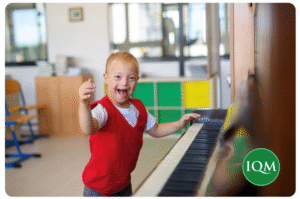
For many pupils with autism or other sensory differences, Christmas decorations can feel intense. A room that was calm last week may suddenly have flashing lights, tinsel, moving images and new smells. It can be hard for pupils to relax when the environment feels unfamiliar.
It is not that decorations are to be avoided by any stretch. Many autistic children love visual stimulation, and fairy lights can often have a calming effect compared to harsh fluorescent lighting. Others experience flashing lights, tinsel and scented candles as sensory overwhelm.
IQM’s Executive Leader for School Improvement, Sarah Linari, explained that her son’s sensory sensitivities are heightened when he is feeling anxious.
Starting a new school year with autism brings with it significant sensory demand, clothing triggered his sensory sensitivities, with jumpers being ‘too itchy, too tight and too loose, all at the same time.’
Decorations are one of the easiest places to strike a thoughtful balance with autism and Christmas.
Ways schools can help
- Stagger decorations over several days so the environment changes gradually rather than overnight.
- Avoid flashing or very bright lights in classrooms and use softer, static lighting instead.
- Keep at least one key space as a low decoration or decoration-free zone.
- Preview decorations with photos, social stories or quiet visits to decorated rooms before they are busy.
- Plan for decorations coming down as Give warnings, use countdowns and explain when and why this will happen.
One of our IQM Centre of Excellence schools recently shared they took a picture of the classroom before they decorated for Christmas, reminding a particular child what the room would look like when they returned from their Christmas holiday.

Routine changes
For many autistic pupils, routine is the structure that makes everything else manageable. It is not just “what happens when”. Routine can help autistic pupils predict the day, pace their energy and feel safe enough to learn.
Christmas in school tends to bring in rehearsals, extra assemblies, visitors, non-uniform days, timetable swaps and one-off treat activities. Often, those changes are layered on top of each other.
A child might arrive to find a different adult at the door, a rehearsal in their usual classroom, lunch at a different time and an afternoon film instead of their usual lesson. Even if all of those things are positive on paper, the cumulative load can be huge.
From the outside, a surprise Christmas activity looks like a gift. From the inside of an autistic nervous system, the same surprise can feel like the floor moving unexpectedly. The anticipation can be tiring too. Knowing that something is happening this afternoon, but without clear details, can leave pupils on high alert for hours.
Routine changes are unavoidable in December, and they can be useful practice for real life. The key is to plan and prepare effectively and wrap them in familiar anchors, rather than spring changes on pupils with the hope that they will simply cope.
Ways schools can help
- Use visual timetables to show when normal lessons are happening and when they are replaced by something festive.
- Create a simple December timetable so pupils know this month will look different and can see that it is temporary.
- Avoid last-minute surprises wherever possible. If something changes on the day or you’re unsure about the final details, explain this clearly and model strategies for managing it.
- Keep a few core lessons or routines in their usual slots, even in the final week, so pupils can rely on some fixed points in the day.
- Protect regular regulation breaks or movement times rather than letting them be squeezed out by rehearsals or visitors.
- Prepare pupils in advance if parents or carers will be coming into school at unusual times (e.g., for assemblies, Christmas fairs, or performances).
- After bigger changes, allow a short debrief or check-in so pupils can process, regulate and learn to recognise their tells of building dysregulation.

Christmas events
Church visits, discos, Christmas fairs, film afternoons, performances, markets, trips and staff in costumes.
These events combine crowds, noise, unfamiliar venues, changes in clothing, expectations to perform or “join in”, and the social script of this is supposed to be fun.
Autistic pupils might be excited, nervous, overloaded or all three at once. Some desperately want to take part but burn out fast. Others would prefer to observe from the edges or skip parts altogether.
One of the most powerful things a school can do is normalise “attending, but differently”. That means making it clear (to pupils and staff) that there are many valid ways to be part of an event.
Ways schools can help
- Offer tiered participation. Pupils can attend the whole event, part of it, or take on a different role, such as backstage helper, tech support, or greeter, if they’re a people-person.
- Provide clear, visual information about each event in advance.
- Build in recovery time either side of big events with quieter lessons, sensory breaks and less demanding work.
- Encourage the use of regulating tools such as headphones, ear defenders, fidget items, and sunglasses, plus easy access to water and toilets.
- Consider smaller or quieter versions of events for some pupils, such as an earlier low-noise run-through of the disco or a quiet viewing of the nativity recording.

IQM’s Sarah Linari shared a theme of temperature regulation challenges for her son during school Christmas events.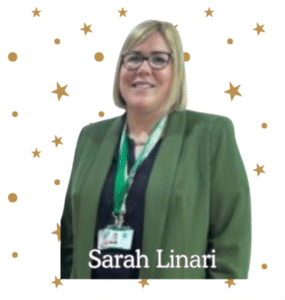
‘The need to wear a coat to walk to the local church, and then sit in the coat so 300+ children don’t lose them. After decades of planning and running them from a teaching perspective, I obviously understand the logistical juggling act planning these activities entails. But from a parent of an anxious AuDHD child, the level of discomfort he experiences due to perceived fear of being told off for removing a coat is heartbreaking.’
Food and mealtimes
Christmas food is a sensory festival. New textures, strong smells, unfamiliar flavours, different table layouts and lots of people all eating together. For autistic pupils, especially those with interoception or sensory differences, that combination can easily tip from special to too much.
Ways schools can help
- Make it clear that pupils can bring their usual packed lunch or eat their regular choice on Christmas lunch days.
- Seat pupils in smaller, familiar groups where possible, with known adults.
- Reduce background noise by keeping music low and avoiding extra sensory clutter on tables.
- Provide an alternative space or shorter mealtime for pupils who are overwhelmed in a big hall.

Clothing and costumes
Christmas jumper day, own clothes day, nativity costumes, scratchy fabrics, tight waistbands, labels, sequins, many (many) layers of clothing and seeing teachers suddenly dressed as elves can all be overwhelming.
On top of that, there is often a strong social message. Dressing up is presented as fun, and not dressing up is seen as missing out.
Autistic and other neurodivergent pupils may want to join in but cannot tolerate the sensory aspects. They may also simply prefer the predictability of school uniform. It’s important to recognise that ‘traditions’ should be enjoyable, not preserved at all costs.
Ways schools can help
- Make festive clothing genuinely optional, with uniform always an acceptable choice.
- Encourage and support families to adapt costumes for comfort, such as using softer fabrics, wearing costumes over regular clothes, and avoiding face paint or masks (whilst being mindful of associated costs for families).
- Give plenty of notice for any clothing days and include them in the Christmas-in-school information pack.
- Show pupils photos or simple descriptions of any costumes staff will be wearing in advance, especially if faces or silhouettes will change.
- Reinforce the message that not dressing up is okay and does not make anyone less part of the group.

Staff awareness and culture
In the middle of tinsel and end-of-term tiredness, it is easy for everyone to slip into “just get through December” mode. This is where inclusive school culture matters.
If the unwritten rule is that traditions must be preserved at all costs, autism and Christmas will become a tricky combination. If the rule is that inclusion comes first and traditions serve people, everything else gets easier.
Staff do not need to be autism experts to make a big difference. Teachers may benefit from being ‘given permission’ to adapt certain activities to meet the needs of their pupils.

Celebrate Christmas your way
Autism and Christmas do not have to be at odds in school. When you design the festive season around regulation, predictability and genuine choice, more pupils, neurodiverse and neurotypical, get to experience the good bits without being overwhelmed by the rest.
To wrap up, here are some quick questions to ensure your Christmas celebrations are inclusive by design:
For teachers:
- Where are the pressure points in my class timetable this December?
- Which anchors can I protect for my autistic pupils each day?
- How will I explain changes clearly, including what is staying the same?
- What options can I offer so pupils can attend events differently if needed?
For school leaders:
- What is our whole school approach to autism and Christmas, and have we communicated this to staff?
- Can we stagger events and avoid bottleneck days in the calendar?
- Where are we building in recovery and reset time around big events?
- How are we briefing staff and families about our inclusive Christmas plans and the reasons behind them?
- Are autistic pupils’ experiences central to planning, not an afterthought?
More articles you’ll like:
Supporting children with ADHD in the classroom
Starting secondary school with autism and ADHD: A Mum’s perspective
Other Posts


About IQM
The only national award for inclusion in the UK, IQM has been committed to recognising exemplary inclusive schools for over 20 years and in over 20 countries around the world. The three awards allow schools and organisations to celebrate their inclusive practice against nationally recognised framework.
Site Links
© 2026 Inclusion Quality Mark | website developed & cared for by digidoda